Building Affordable Housing Today: Balancing Cost, Quality, and Community Impact
Demand Is Strong, but Delivery Is Complex
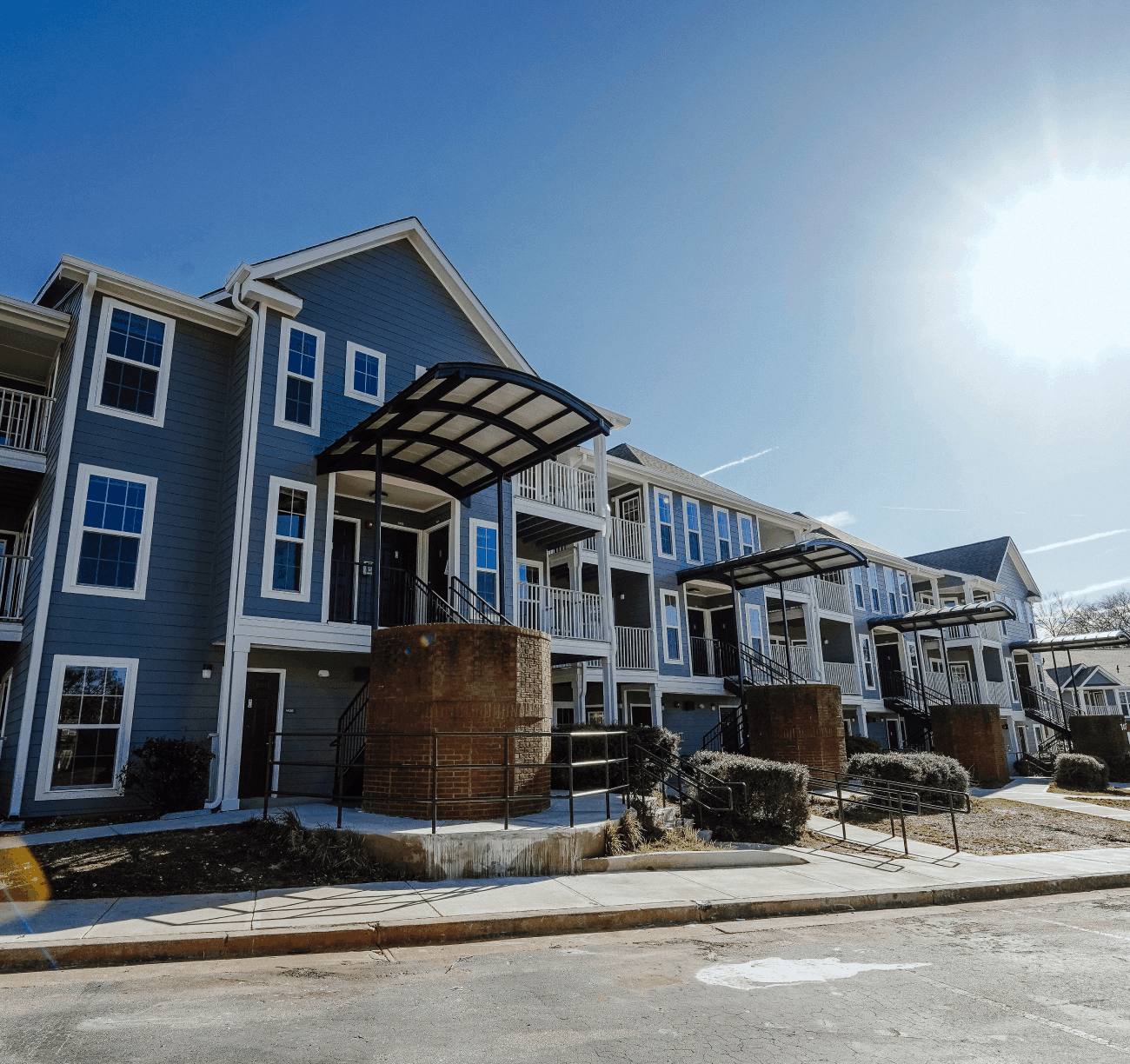
Affordable housing remains one of Atlanta’s most important development priorities, but delivering it in today’s market requires more than recognizing the need. It requires financial discipline, thoughtful planning, strong partnerships and a clear understanding of how cost, quality and community impact must work together.
For Jhocques Jordan, Project Executive at H. J. Russell & Company, the demand for affordable housing in Atlanta is clear. The challenge is making sure projects can move from concept to completion in a market where costs, capital and timing continue to create pressure.
“Atlanta is one of the leading markets for affordable housing production, but the reality on the ground tells a more complex story,” Jordan said. “Demand continues to exceed supply, and market-rate deals are still dominating much of the new housing being delivered.”
Although Atlanta has added thousands of affordable housing units in recent years, affordable housing continues to represent a limited share of overall new housing delivery across the market. At the same time, the city’s population continues to grow, placing additional pressure on housing availability. This creates both opportunity and urgency for owners, developers, public sector partners and construction teams.
Local support for affordable housing has remained strong, with the City of Atlanta working toward its goal of creating or preserving 20,000 affordable housing units by 2030. Continued demand can help reduce lease-up risk for developers, but demand alone does not make a project financially viable.
“The biggest constraint today is not demand,” Jordan said. “It is the cost of capital and overall deal feasibility.”
Making the Numbers Work
Higher interest rates, tighter lender requirements, reduced subsidy funding, pressure on voucher programs and rising construction costs have slowed the pace of new starts and extended closing timelines. As a result, affordable housing developers are relying more heavily on layered financing to make projects work.
That environment places greater importance on decisions made early in the process. Site selection, design efficiency, trade partner engagement and buyout timing can all influence whether a project remains financially feasible.
“To successfully build affordable housing today, you need efficient building layouts, viable site conditions, competitive trade contractor pricing, timely buyout and an experienced project team that knows how to properly plan and execute,” Jordan said.
Planning Early to Protect Cost and Quality
Efficient layouts help reduce unnecessary costs while maximizing rentable space. Strategic site selection can limit the amount of money spent on remediation or infrastructure improvements. Early trade contractor involvement and timely buyout can help reduce the risk of material escalation and delivery delays.
For affordable housing projects, these decisions are not just operational details. They can determine whether a project moves forward.
Construction cost escalation also requires teams to be more intentional about where dollars are spent. Jordan points to efficient layouts, durable but economical MEP systems and practical finish selections as strategies that help keep projects financially viable without compromising long-term quality.
The goal is not simply to reduce cost. The goal is to make strategic decisions that protect the budget while still delivering housing that is durable, efficient and supportive of the resident experience.
Alignment Drives Community Impact
“Alignment is not optional. It is a prerequisite,” said Jhocques Jordan, Project Executive at H. J. Russell & Company. “Construction managers must serve as the conduit, first seeking alignment with ownership and then leveraging that agreement with all other project stakeholders.”
That alignment must be grounded in clear delivery commitments that are aggressive but achievable. It also requires budget discipline, strong logistics planning, safety coordination, risk reduction and a shared understanding of quality expectations.
In affordable housing, the stakes are especially high because these projects carry both financial and community responsibility. Owners and developers are not simply delivering units. They are creating places where residents can live, build stability and remain connected to the communities they call home.
Jhoc Jordan
Project Executive | Southeast Region
The Future of Affordable Housing Development in Atlanta
As Atlanta continues to grow, affordable housing will remain a critical part of the region’s future. Meeting that demand will require more than building units. It will require experienced teams that understand how to navigate today’s market conditions while delivering housing that is financially responsible, high quality, and rooted in community impact.
For H. J. Russell & Company, the work is about helping clients move complex affordable housing projects from vision to reality with the discipline, partnership, and execution required in today’s market.
How We Make Complex Feel Controlled
Our portfolio includes multifamily housing, mixed-income developments, affordable housing, and student living